
Jul 17, 2026Technical Excellence
From Industrial Protection to Ocean Adventure: How A6 Cut-Resistant Gloves Are Being Developed for Spearfishing
Discover how ZEYUN PROTEX developed A6 cut-resistant gloves with HPPE technology for a Middle East diving equipment supplier exploring safer spearfishing gloves.
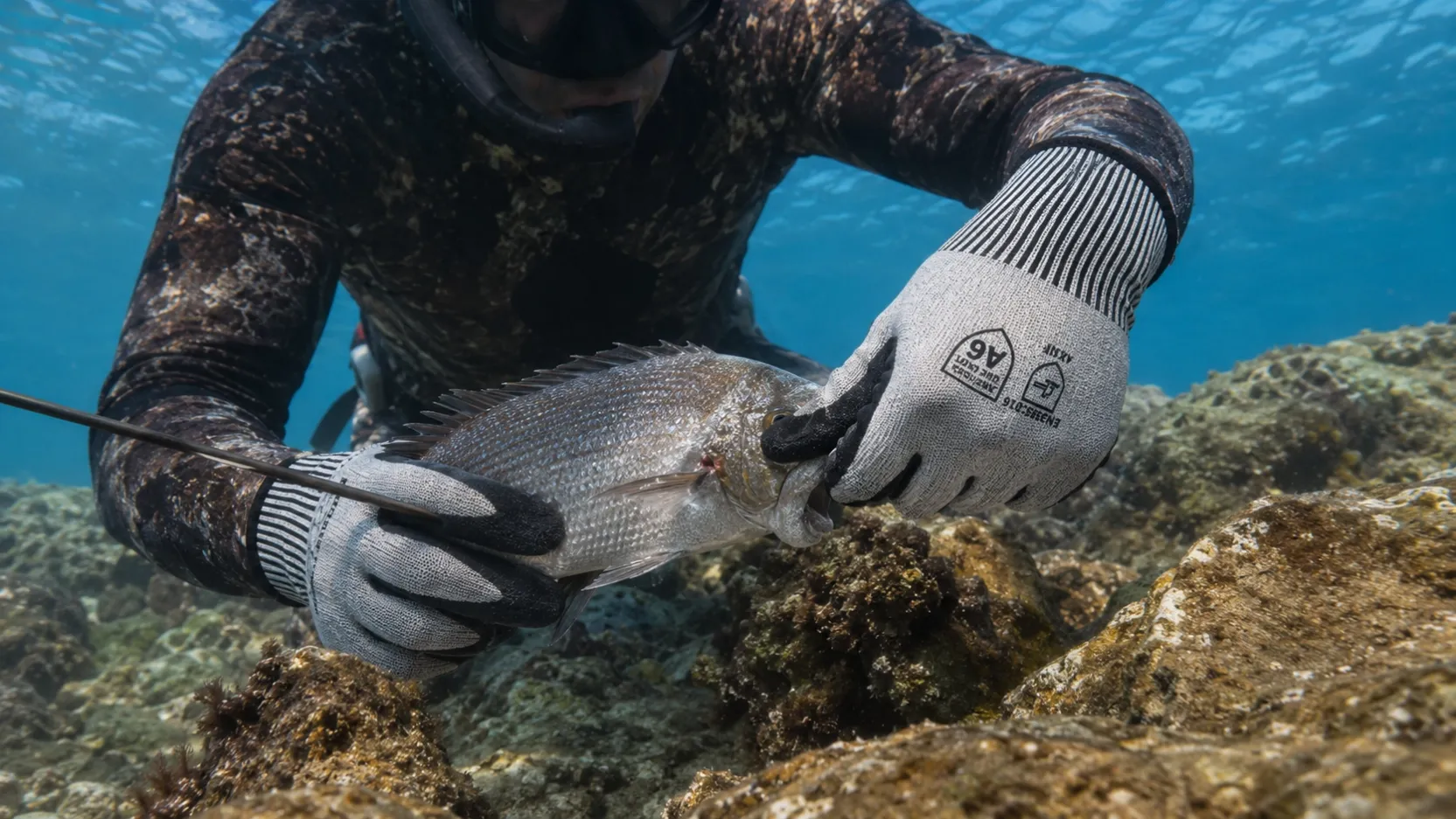
From Industrial Protection to Ocean Exploration: How A6 Cut-Resistant Gloves Are Being Developed for Spearfishing Applications
A Middle East Inquiry That Started With One Technical Word: HPPE
Some customer inquiries immediately stand out.
Many buyers begin discussions with pricing, MOQ, or delivery schedules. This inquiry started differently — with one technical material name:
HPPE.
That single keyword told us the customer was not looking for a standard pair of diving gloves.
The buyer operates a professional diving equipment store in the Middle East and is also an experienced spearfishing enthusiast. He understands the challenges faced by serious underwater users and knows that conventional diving gloves are not always designed for demanding environments.
During our communication, he highlighted a practical challenge:
Rocky underwater areas can create sharp contact points. For spearfishing users, hand protection is not only about warmth or abrasion resistance — it is also about reducing risks during real underwater activities.
Common diving gloves may provide basic protection, but professional users often need to consider:
- Sharp reef edges
- Equipment friction
- Reduced grip stability in wet conditions
The customer had clear technical expectations:
- HPPE-based construction
- ANSI A5 or higher cut resistance
- Reliable grip performance for underwater handling
When a buyer can define materials and protection levels clearly, it usually means they already understand the market and the needs of their customers.
He was not searching for an ordinary glove.
He was looking for reliable diving gloves for spearfishing that could provide protection while supporting professional outdoor use.
Why We Recommended Moving From ANSI A5 to A6 Cut Resistant Gloves
Based on the original requirement, an ANSI A5 cut level glove could have met the basic specification.
However, after understanding the intended user group and application environment, we reviewed the product direction again.
The target users were not casual recreational divers.
They were:
- Freedivers and spearfishing enthusiasts
- Outdoor equipment users who value performance
- Consumers looking for durable and dependable gear
For these users, meeting a minimum standard does not always mean creating the right solution.
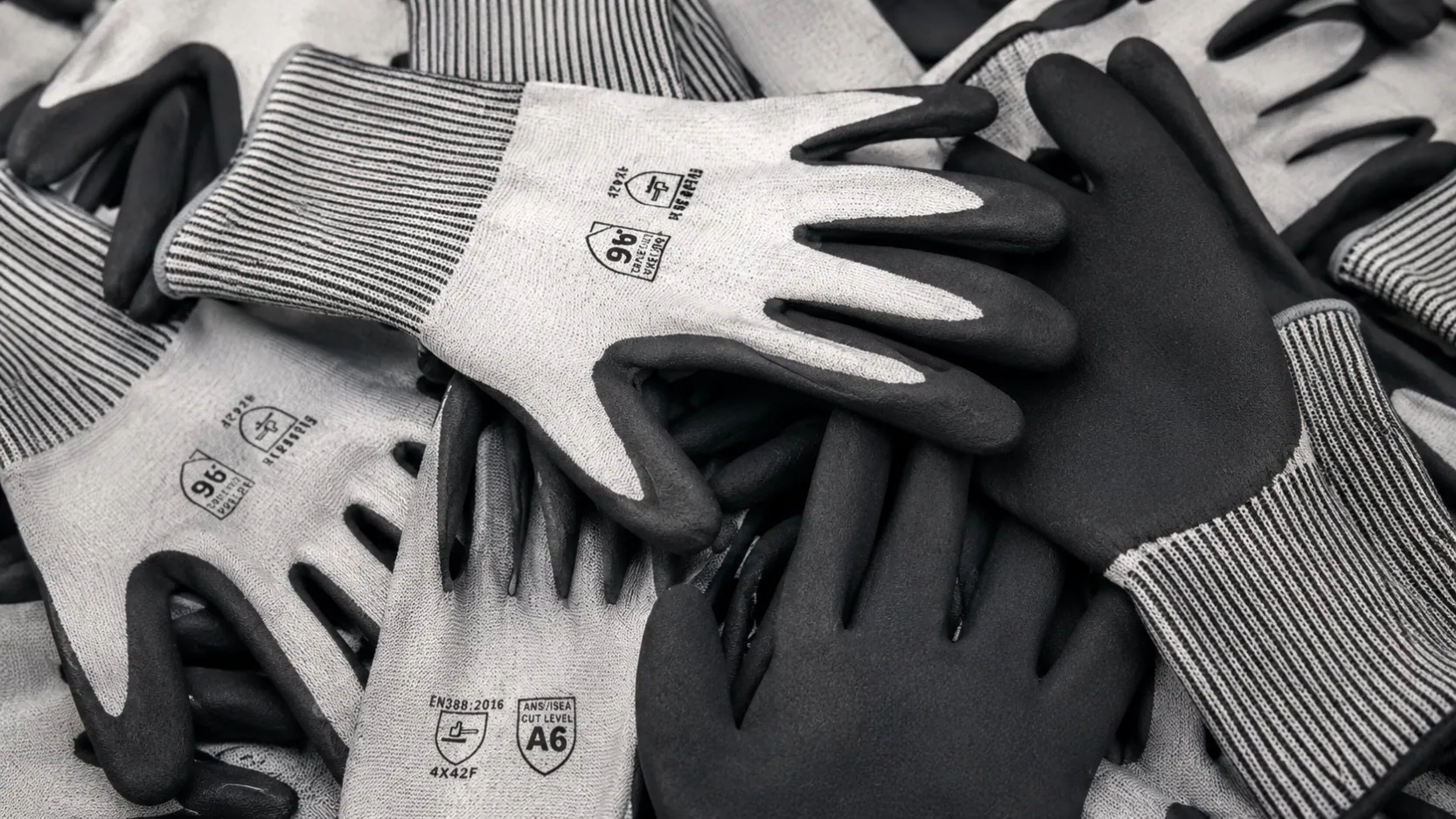
The concept was based on proven industrial protection technology, using an HPPE and steel fiber blend structure to improve cut resistance while maintaining flexibility.
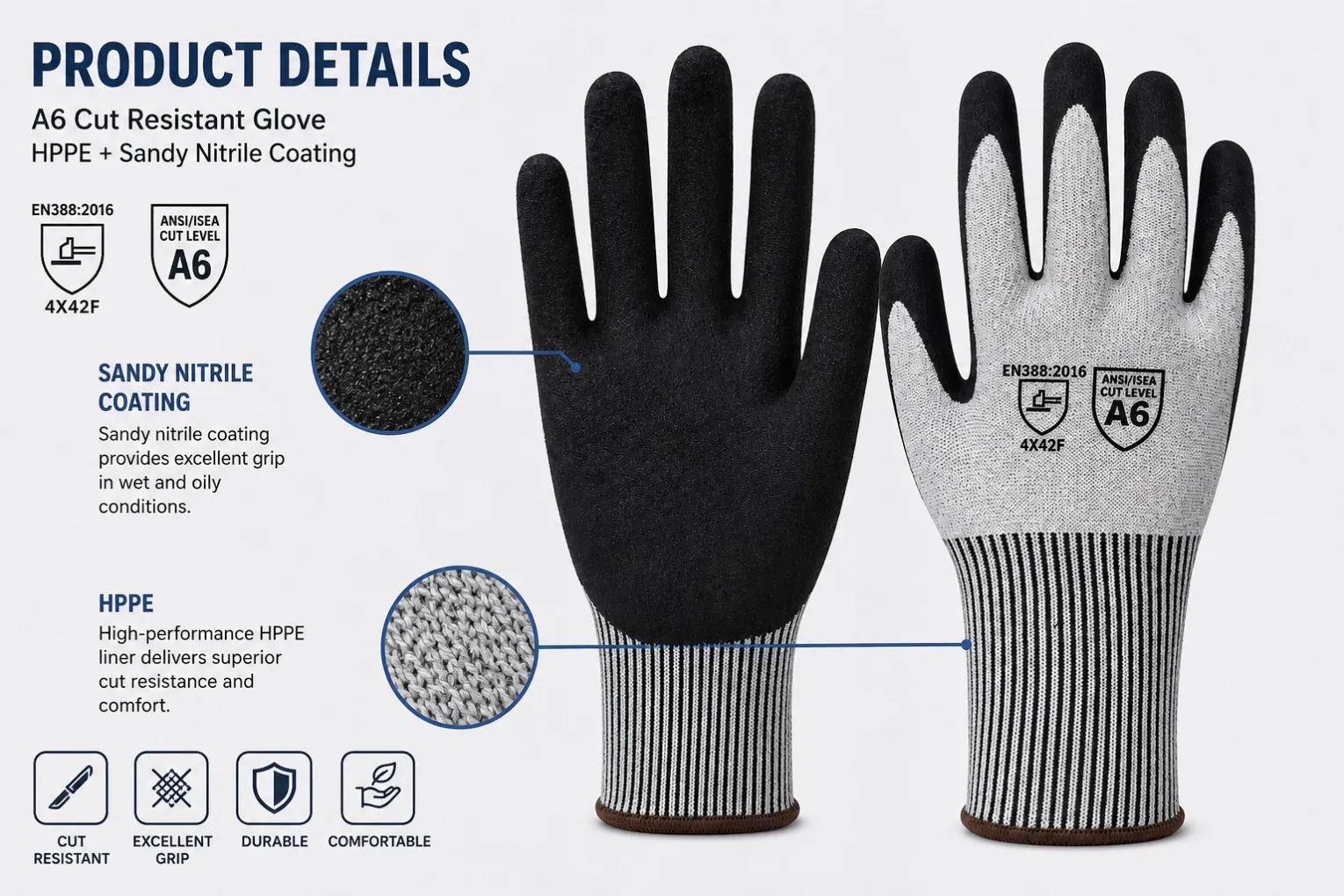
The glove solution can achieve ANSI/ISEA 105 Cut Level A6 and EN 388:2016 4X42F protection classification, which are commonly referenced standards for demanding industrial applications.
However, we also recognized an important difference:
Industrial safety gloves and diving gloves have different performance priorities.
The goal was not simply to increase the cut level. The goal was to adapt industrial protection technology into a more practical outdoor and marine application.
Three Details That Help Industrial Protection Technology Adapt to Spearfishing
1. A6 Cut Resistance: Adding Protection Margin in Underwater Environments
In industrial workplaces, users can often identify hazards before contact happens.
Underwater conditions are different.
Limited visibility, water movement, equipment handling, and unpredictable contact points can make every movement more challenging.
For spearfishing users, gloves need to provide protection while maintaining hand control and flexibility.
Compared with ANSI A5, A6 Cut Resistant Gloves provides a higher protection level under the ANSI/ISEA 105 standard.
This additional protection margin can be valuable when users:
- Handle diving equipment
- Move around rocky reef areas
- Encounter sharp underwater surfaces
For professional users, this improvement is not only a technical specification. It represents additional confidence during real-world use.
2. Sandy Nitrile Coating: Maintaining Grip in Wet Conditions
One of the biggest challenges underwater is simple:
Grip.
A glove may perform well in dry conditions but lose control when exposed to water.
For this project, we focused on the palm coating design.
The selected solution uses a sandy nitrile coating.
The textured surface structure helps increase friction and supports more stable handling in wet environments.
This type of coating technology is widely used in industrial work gloves where reliable grip is required, including applications such as metal handling, construction, and assembly operations.
For this project, we explored how this industrial grip technology could support diving and spearfishing equipment needs.
3. From Functional Sample to Branded Equipment: Considering the Final Market
Protection performance was only one part of the development process.
The customer also considered how the product could fit into a professional outdoor equipment channel.
During sample preparation, we focused not only on technical specifications but also on future product presentation.
The recommended sample preparation included:
- M / L / XL size options
- Consistent palm coating quality
- Logo customization space
- Future label and packaging support
For outdoor brands and specialty retailers, a product needs to perform reliably while also matching the brand experience.
ZEYUN PROTEX supports global outdoor brands, importers, and distributors with OEM/ODM glove development, including:
- Material selection
- Sample development
- Logo customization
- Packaging solutions
- Production support
From Requirement Discussion to Sample Development: Exploring a Professional Gear Solution
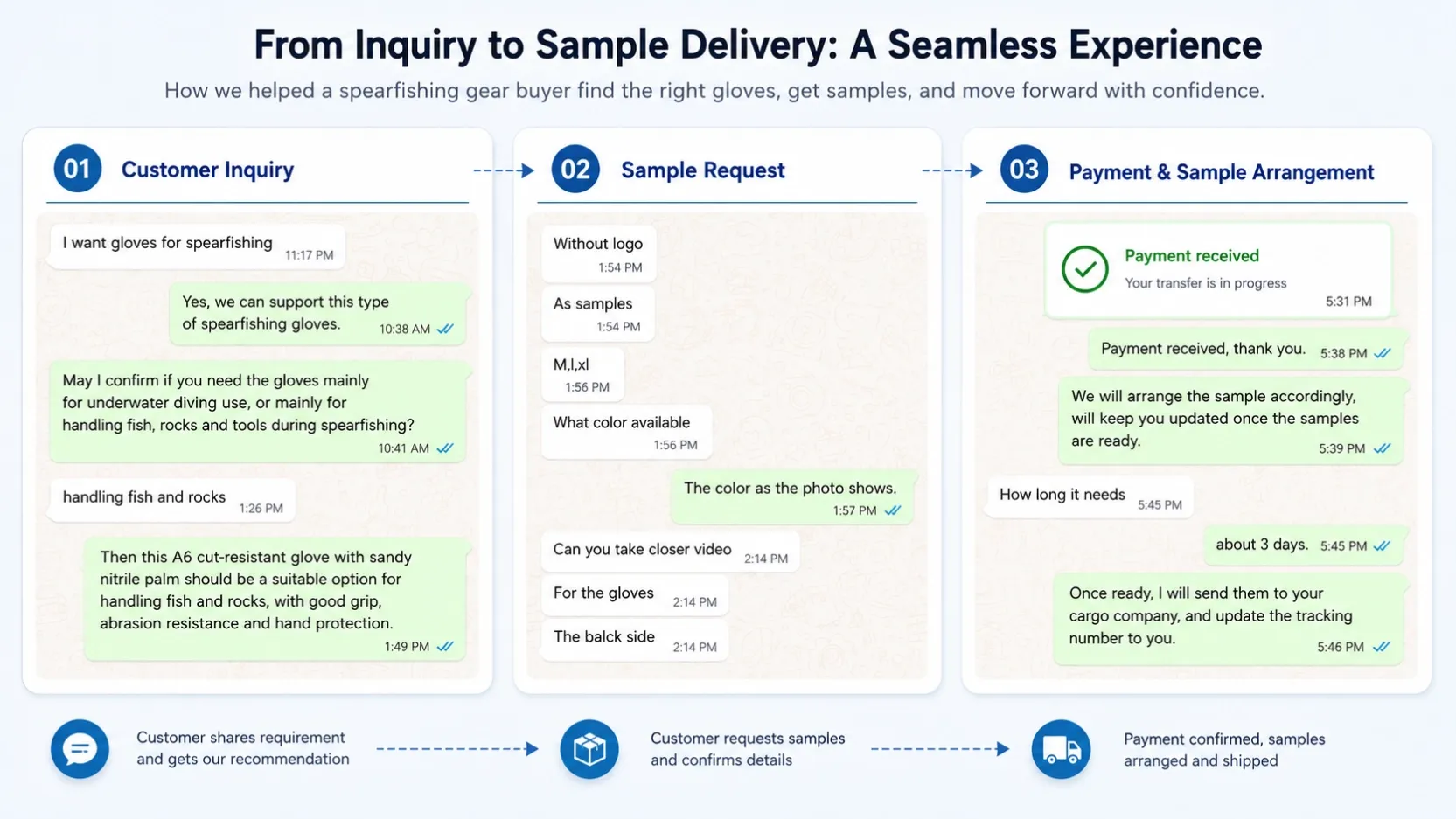
During the communication process, we did not focus only on providing a quick quotation.
For professional equipment development, understanding the application comes first:
- Who will use the product?
- Where will it be used?
- What problems does it need to solve?
Based on the customer's requirements, we adjusted the product direction and prepared sample information including:
- Cut resistance level explanation
- Product detail images and wearing videos
- Different size options
These materials helped the customer understand:
- Product structure
- Wearing experience
- Size selection
After reviewing the sample information, the customer replied:
“Sample without Logo, M/L/XL.”
Based on this discussion, we completed sample preparation and arranged shipment.
The samples are now waiting for testing feedback from real diving environments.
Samples Shipped: Waiting for Feedback From Real Diving Conditions
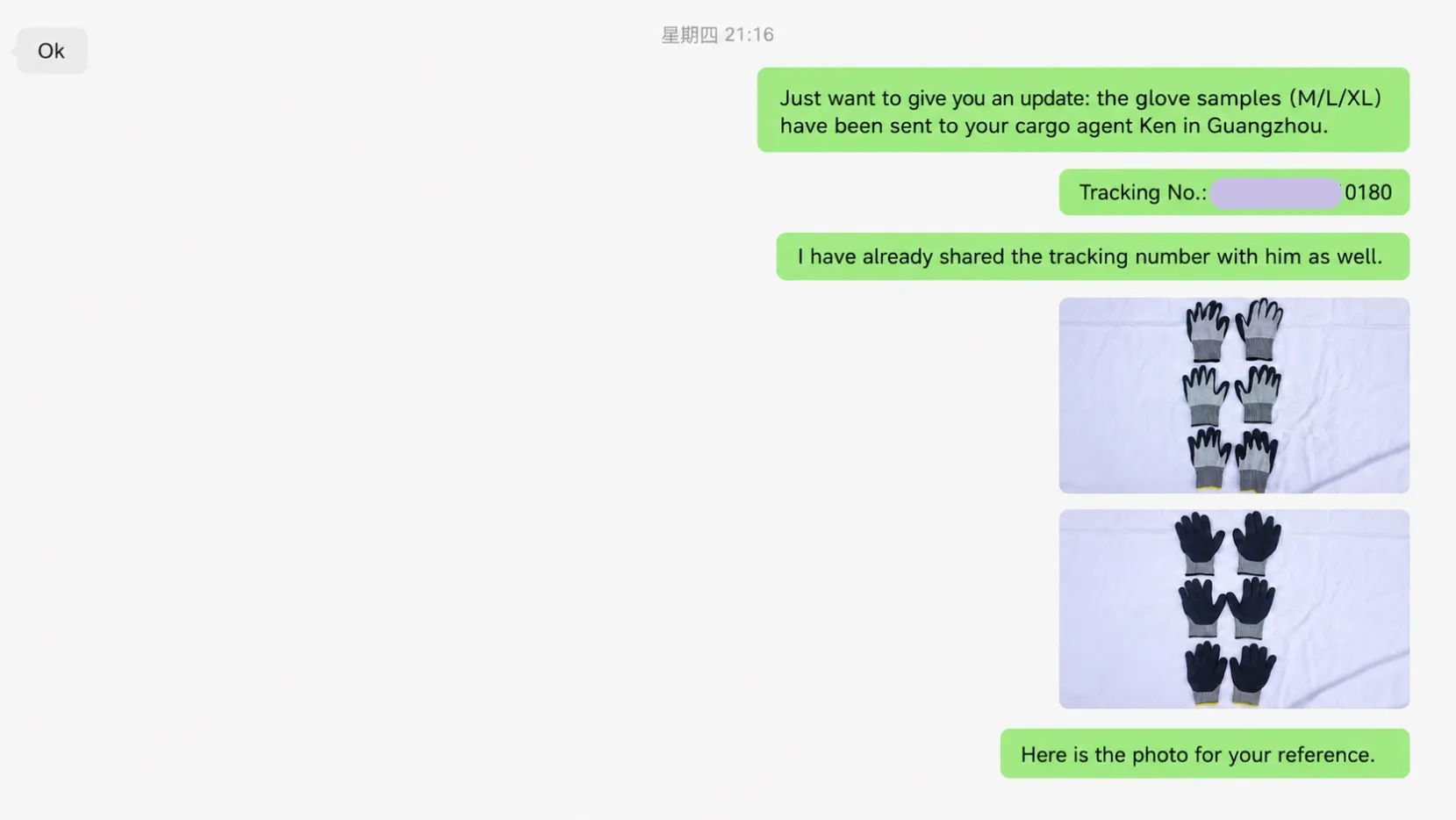
The samples have now been shipped to the Middle East customer.
The next stage focuses on practical feedback from actual use:
- Whether the cut resistance meets professional user expectations
- Whether wet grip performance fits underwater handling needs
- Whether sizing and wearing comfort match end-user preferences
For manufacturers, sample development is not the final step.
It is the beginning of product validation.
Only through real application testing can a product be properly evaluated for market suitability.
This project is still at the testing feedback stage, but it represents an interesting direction:
Industrial protection technology can be adapted into outdoor performance applications through thoughtful product development.
ZEYUN PROTEX continues to combine industrial glove manufacturing experience with outdoor user needs, helping brands develop reliable and application-focused glove solutions.
FAQ: A6 Cut-Resistant Gloves and Diving Protection
Q1: Can A6 cut-resistant gloves be used for spearfishing?
Yes.
A6 cut-resistant gloves were originally developed for industrial safety applications, but their high-strength fiber structure, cut resistance, and durability can also support professional underwater activities where additional hand protection is required.
The final glove selection should consider:
- Protection level
- Flexibility
- Thickness
- Grip requirements
Q2: What advantages do HPPE fishing gloves provide compared with standard diving gloves?
HPPE (High Performance Polyethylene) is a high-strength fiber material known for its cut resistance and durability.
In glove applications, HPPE structures can improve protection against sharp edges and abrasion while maintaining flexibility.
This makes HPPE-based gloves suitable for applications where users need both protection and hand mobility.
Q3: What is the difference between ANSI A5 and ANSI A6 cut levels?
The ANSI/ISEA 105 standard classifies cut resistance levels from A1 to A9.
ANSI A6 requires a higher level of cut resistance performance compared with A5 and is generally selected for more demanding applications.
For international markets, manufacturers may also reference EN 388:2016, where cut resistance is classified using a different scale from A to F.
The correct glove level should always be selected according to the actual environment, risk level, and user requirements.
Q4: Does ZEYUN PROTEX support private label diving glove development?
Yes.
ZEYUN PROTEX provides OEM/ODM support for outdoor and protective glove projects, including:
- Material selection
- Sample development
- Logo customization
- Packaging design
- Mass production support
These services are designed for outdoor brands, equipment distributors, and specialty retailers.
Looking for a Professional Diving Gloves for Spearfishing Supplier?
If your brand is developing:
- HPPE fishing gloves;
- ANSI A5 / A6 cut-resistant gloves;
- Private label diving gloves;
- Water sports protective gloves;
ZEYUN PROTEX can support your project from product concept and material selection to sampling and production.
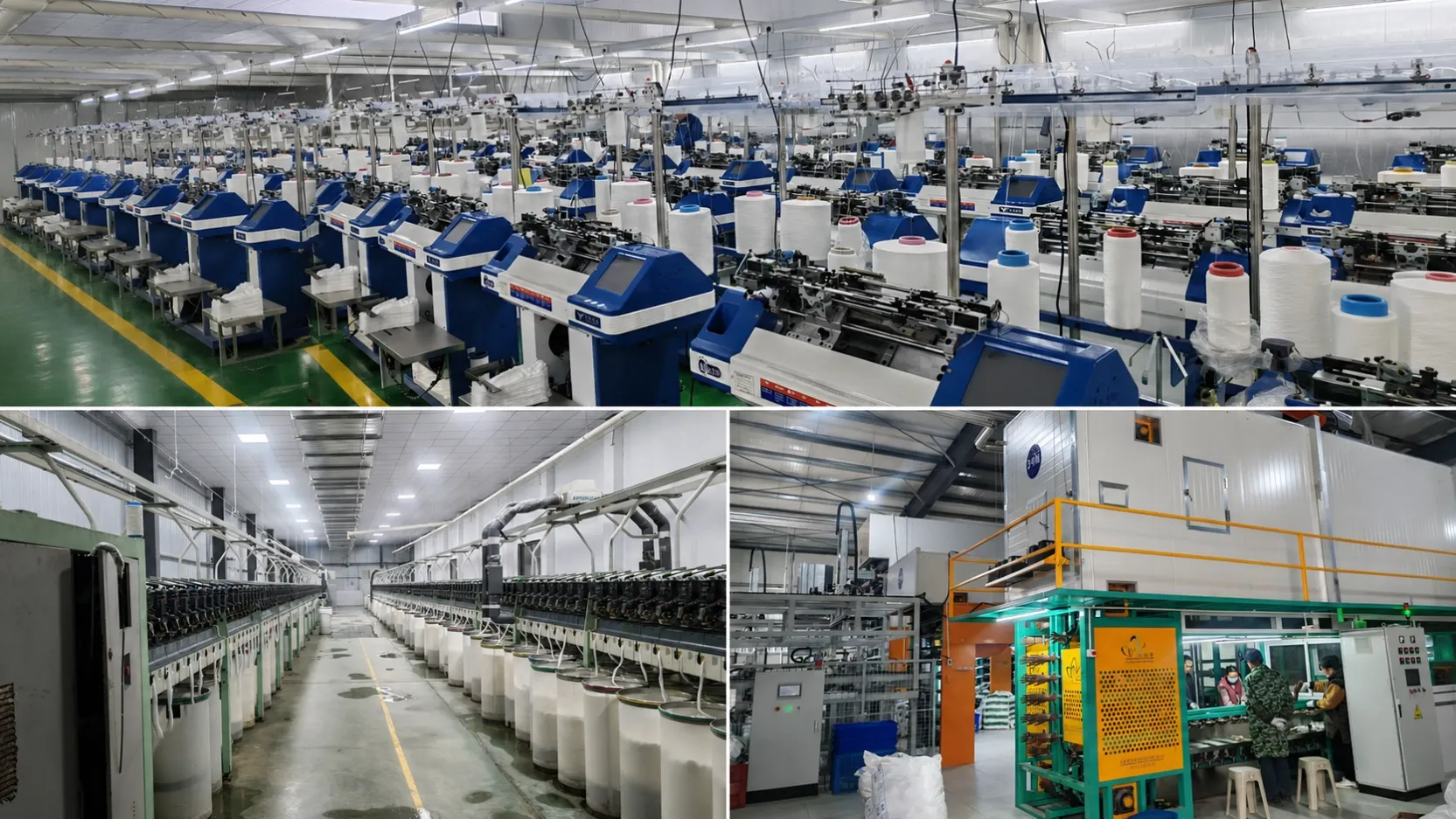
Ready to develop your next professional glove solution?